Human review
Check the Work Before AI Tells You What to Think
Seeing a recommendation first can shape the review. Try asking staff for an initial decision before revealing AI advice, then measure whether the extra step catches mistakes.
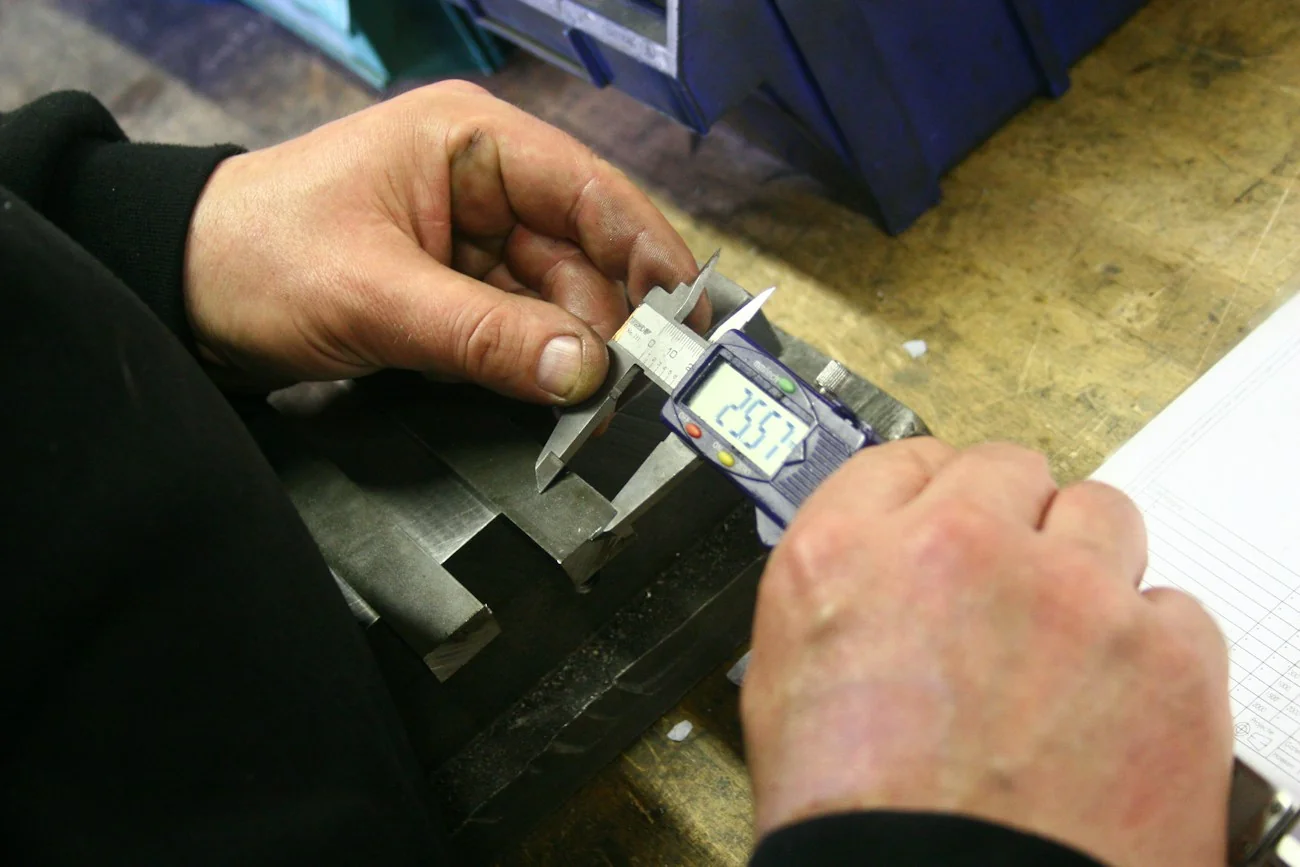
Ask a reviewer to inspect the work before showing them AI’s recommendation. That gives them a decision of their own to compare with it. The extra step needs testing: a 2021 experiment found less acceptance of some wrong advice, while participants found the process more complicated.
People followed fewer wrong suggestions when they had to pause or act first
Zana Buçinca, Maja Barbara Malaya and Krzysztof Z. Gajos analysed decisions from 199 online participants. They showed them pictures of meals and asked them to swap the ingredient highest in carbohydrates for a lower-carbohydrate substitute with a similar flavour. In one interface, the participant chose first, then saw the simulated assistant’s suggestion and explanation and could change the choice. Other designs made them request the advice or wait for it.
On trials where the assistant’s top choice was wrong, participants followed that wrong ingredient choice about 48% of the time across the three designs, compared with 64% across the interfaces that showed the advice immediately. These were adjusted estimates for choosing the ingredient to remove. Across all trials, the researchers found no statistically clear difference in how often participants made the full choice correctly. Participants rated the interfaces that made them pause or act first as more complex.
Check a proof before reading the recommendation
Suppose a print shop asks AI whether a sample layout is ready for press. Show the reviewer that proof and the approved order first. Ask them to mark it ready, hold it or request information, with a short note about the relevant detail. If the proof is the wrong size, that comparison gives them a reason to hold the job before they see a recommendation to print.
Try both screen designs with staff on sample jobs whose correct decisions have already been checked. Include correct suggestions and plausible wrong ones. Record which decisions change after the suggestion appears, how many wrong suggestions people accept and how long the check takes. Include incomplete reviews in the tally. Use that evidence to decide where the extra step is justified, such as jobs where an error could waste an entire print run.
Sources and further reading
Sources checked 7 November 2026. Edited and reviewed by AI Boss.