Images & trust
An image’s credentials describe its history, not the whole truth
Content Credentials can help trace a file’s origin and edits. They cannot settle whether its caption tells the truth about an event.
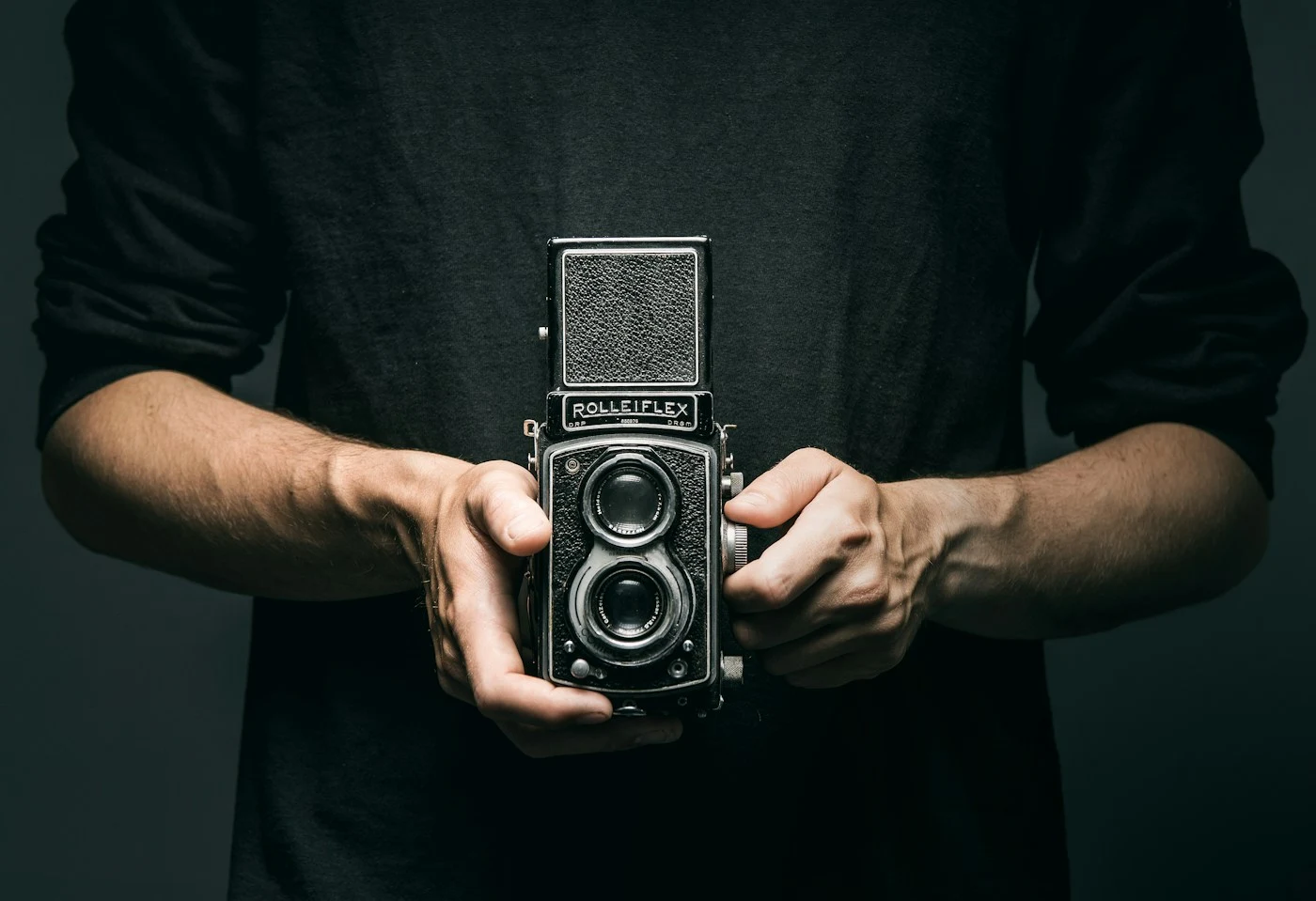
A photograph can preserve its original pixels while a misleading caption changes what readers believe it shows. That is why checking an image’s digital history and checking the story attached to it are separate jobs.
The Coalition for Content Provenance and Authenticity (C2PA) explainer makes this distinction explicit. The standard links a file to signed records about its creation or editing. Validation can help establish that those records belong to the asset and have not been tampered with. It does not judge whether the recorded claims are true.
Inspect what the credential actually says
A credential may describe the tools used, changes made or the origin of a file. Check the signer, the recorded actions and any warning the viewing tool displays. Do not turn a valid signature into a broader claim that every part of the scene or accompanying account has been independently verified.
In a hypothetical example, an old photograph of a flooded street is shared as evidence of today’s storm. Its editing history could be intact while the date in the social post is wrong. The missing check concerns the event, location and time, not whether someone changed the pixels.
An absent record leaves a question open
C2PA’s FAQ explains that provenance records may be separated from the media. Some systems can help rediscover them through watermarking or fingerprinting. The explainer also cautions against treating the absence of credentials as proof that an asset is untrustworthy.
That matters for photographs passed through older cameras, editing software or messaging services. A missing badge gives you less recorded information. It does not, on its own, distinguish a generated image from a camera photograph.
Keep the file check beside the reporting check
Before sharing an image as evidence, look for its earliest available publication and the photographer or publishing organisation. Compare the claimed location and date with independent reporting. Ask for the original file when the decision justifies that effort. If the source cannot be established, say so rather than supplying a confident caption.
For your own publishing, retain the source page, photographer, licence and editing record. Give generated illustrations a clear disclosure and keep them separate from documentary evidence. An illustration can explain a mechanism or an idea without pretending that the pictured event happened.
Sources and further reading
Sources checked 3 November 2026. Prepared with AI assistance and editorial review.