Independent thinking about artificial intelligenceBy Adrian Dunkley
AI BOSS

The daily AI fluency newspaper

Learn with AI. Then check what you can do without it.

A coding experiment separates completing a task from learning its method. Your training programme should measure both.

Library shelves filled with books and classification signs, viewed along a narrow aisle.
Zoshua Colah / Unsplash · Illustrative photograph · Licence

If AI helps a colleague finish an unfamiliar task, you have evidence that the assisted workflow produced an output. You still need to establish what the colleague learnt. That distinction matters when the person will later have to spot a mistake, explain a recommendation or work through an exception.

In yesterday’s essay on token costs and human capital, the question was what a business loses when it counts documents but overlooks expertise.


Continue reading →
An amber ribbon passes through an open cream paper gate while neighbouring paper gates remain closed.
The Gate Before the Action · AI-generated artwork by AI Boss Ltd

Limit an AI agent’s permissions before improving its prompt

A careful instruction cannot remove access the system still holds. Match its tools and authority to the task before allowing consequential actions.

A mailbox summary needs access to messages, not authority to send them. Start with the actions a task requires and enforce those limits in the connected system.

Read the essay →

How well do you know your AI?

Practise AI vocabulary and judgement through workplace clues. Choose the crossword, or fill the grid by answering questions in Quiz Mode.

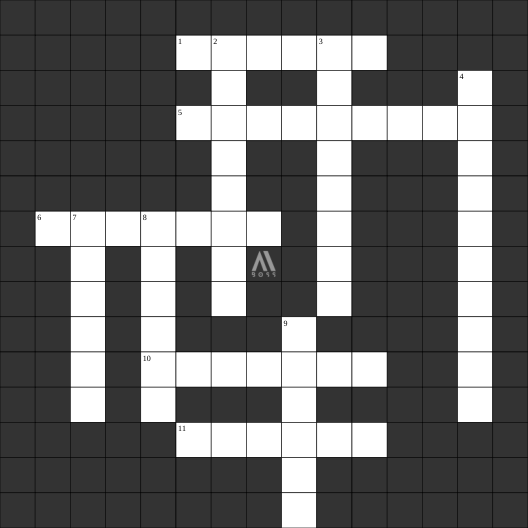
Preview of the AI vocabulary crossword; open the puzzle to see its clues.

The 4Ds framework was developed by Rick Dakan and Joseph Feller in partnership with Anthropic. Framework source.